DCVA & RP Yearly Testing

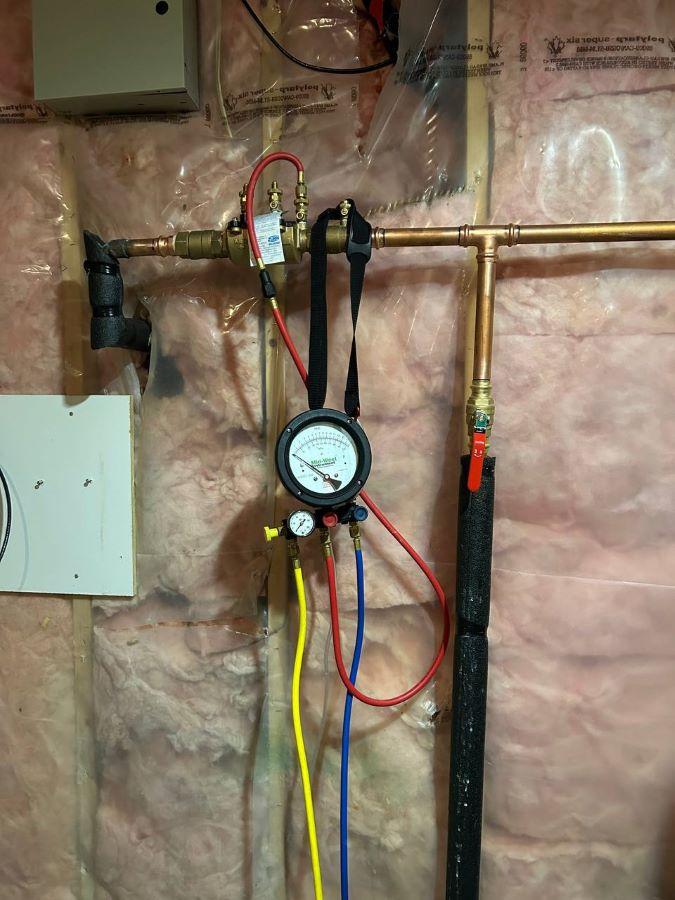
Annual BFP (Backflow Preventer) Testing In Toronto

Are you a property owner of an industrial, commercial, institutional, or Part 3 residential property (as defined by the Ontario Building Code) in Toronto? Ensure the safety and compliance of your water supply system by scheduling your yearly mandated backflow prevention testing and reporting services.

Book Your Annual Backflow Testing

Toronto Backflow Testing Requirements & Compliance

This program exists to protect the public drinking water system from contamination caused by backflow events.

If you own or manage an industrial, commercial, institutional, or Part 3 residential property in Toronto, annual backflow preventer testing is not optional.

Under the City’s Backflow Prevention Program, qualifying properties are legally required to have their backflow prevention devices tested every year by a certified tester, with results submitted to Toronto Water.

Who Is Required to Have Annual Backflow Testing?

You are required to comply if your property falls under any of the following categories:

  • Commercial buildings (restaurants, retail, offices, plazas)

  • Industrial facilities and warehouses

  • Institutional buildings (schools, medical, municipal)

  • Part 3 residential properties as defined by the Ontario Building Code

  • Any property with a backflow prevention device installed as part of a cross-connection control program

If you have received a notice from the City or have previously completed a backflow test, annual testing is mandatory.

Protecting Toronto's Drinking Water Systems

How Often Is Backflow Preventer Testing Required?

  • Testing is required once every 12 months

  • Each backflow preventer on the property must be tested individually

  • Newly installed or replaced devices must be tested immediately after installation

  • Test results must be submitted within the City’s required timeframe

Missing or late submissions can result in compliance notices and follow-up enforcement.

What Happens If You Don’t Comply?

Failure to complete annual backflow testing may lead to:
  • Written compliance notices from the City

  • Escalation to enforcement actions if unresolved

  • Potential service restrictions until compliance is achieved

These are administrative outcomes, not scare tactics. The intent is to ensure public water safety through verified testing and documentation.

If a Backflow Preventer Fails Testing

If your annual inspection results in a failed backflow test, corrective action is required before your property can be brought back into compliance.lowing categories:
Depending on the condition of the device, this may involve:
  • Backflow device repair to address worn seals, valves, or internal components

  • Backflow valve replacement when a device no longer meets performance or code requirements

  • Full backflow preventer replacement in Toronto for outdated, damaged, or non-compliant assemblies

All repaired or replaced backflow preventers must be retested and documented before results can be submitted.
Our team handles the repair, replacement, and retesting process to ensure your system meets City requirements and compliance is restored without unnecessary delays.

What happens When Backflow Preventers fail?

How We Handle Compliance for You

How We Handle Compliance for You
  • Certified annual backflow testing

  • Digital test reports and proper tagging

  • Submission of results to the City

  • Clear documentation for property records

  • Support for repairs or replacements if a device fails testing

Our process is built for property managers and owners who need clear compliance, not guesswork.
Shape

Understanding Back flows Valves

Back Pressure

Back pressure occurs when pressure in a private water system is greater than pressure in the City’s water supply system. This can result in water from the private system forcing its way into the City’s distribution system and can be caused by pumps, elevated tanks, temperature increases in boiler systems, and other local pressure events.

Back Siphonage

Back siphonage occurs when pressure in the City’s water supply system is lower than pressure in a private system. It can pull contaminated water from the private water system into the City’s distribution system and can be caused by nearby fire-fighting or water main breaks.

Why Choose Us

case

Expertise

Our team of certified plumbers specializes in backflow preventer testing, filing reports, and tagging, bringing extensive experience and in-depth knowledge to ensure the safety and reliability of your property's water supply. With their expertise, you can trust that your backflow preventer is in capable hands, and your water environment remains secure and compliant with all necessary regulations.

Shapes

Comprehensive Services

We offer a one-stop solution for all your backflow prevention needs, including thorough testing, detailed reporting, precise tagging, and, if required, expert replacement of backflow preventers. Streamlining the process saves you time and ensures full compliance.

People

Regulatory Compliance

We are well-versed in the Ontario Building Code regulations, and permits concerning backflow prevention for industrial, commercial, institutional, and Part 3 residential properties. Rest assured that our services will keep your property compliant with all necessary OWWA standards.

Hand

Customer Satisfaction

We prioritize your satisfaction and peace of mind. Our dedicated team is committed to delivering prompt, professional, and reliable service, making your property's water safety our top priority.

you are in good hands

Toronto's Top Backflow Prevention Testers

Need to have a Backflow Preventer installed?

This Is What We Do

This Is What They Say

Shape

We Are Here To Help You With Any Questions You May Have

The main difference lies in their level of protection. A Double Check Valve Assembly (DCVA) provides basic protection by having two check valves, while a Reduced Pressure Principle Assembly (RP) offers superior protection with an added relief valve. RP assemblies are generally recommended for higher-risk applications where there is a significant risk of contamination.
Backflow refers to the undesirable reversal of water flow, allowing contaminated water to enter the clean water supply system. This can occur due to changes in water pressure, posing serious health risks as the contaminated water may contain hazardous materials like human waste, pesticides, or chemicals.
Yes, our team consists of certified plumbers who are highly experienced in performing Backflow Prevention Inspection services. You can trust us to ensure that your property meets all regulatory standards and remains compliant.
If your backflow preventer fails inspection, don’t worry. Our expert team will assess the cause of the failure and work with you to implement the necessary repairs or replacements promptly. We are dedicated to resolving any issues and ensuring the safety of your water supply system.
A Cross-Connection Control Survey is a systematic evaluation aimed at identifying and addressing potential cross-connections within water distribution systems. These cross-connections could lead to the contamination of the clean water supply if backflow occurs, allowing non-potable water to enter the drinking water system. Trained professionals inspect properties and plumbing systems to spot instances where safe and contaminated water could mix. The goal is to eliminate or mitigate these risks through measures like installing backflow prevention devices and ensuring proper plumbing practices, thus ensuring the safety and quality of the drinking water supply.
Absolutely! We encourage property owners to schedule yearly backflow prevention inspections in advance to ensure timely compliance. Our team will work with you to set up convenient inspection dates that suit your property’s needs.
Absolutely! In addition to inspection services, we offer professional Backflow Preventer installation. Our certified plumbers will work with you to determine the most suitable backflow preventer for your property’s specific requirements and ensure proper installation for optimal protection.
Backpressure refers to a condition where higher pressure in a downstream system causes non-potable water to flow back into the potable water supply, potentially contaminating it.
Back Siphonage occurs when a sudden drop in pressure within the potable water system causes water from an external source to be drawn back into the drinking water supply, risking contamination.
Yes, it is generally mandatory to test a newly replaced Backflow Preventer Device. Testing ensures the device functions correctly, prevents backflow, and maintains water supply safety. Plumbing codes often outline testing requirements, intervals, and certified professionals typically perform these tests to ensure compliance and effective device operation. Regular testing is crucial to prevent potential water contamination.

What happens When Backflow Preventers fail?

Backflow Prevention Replacement

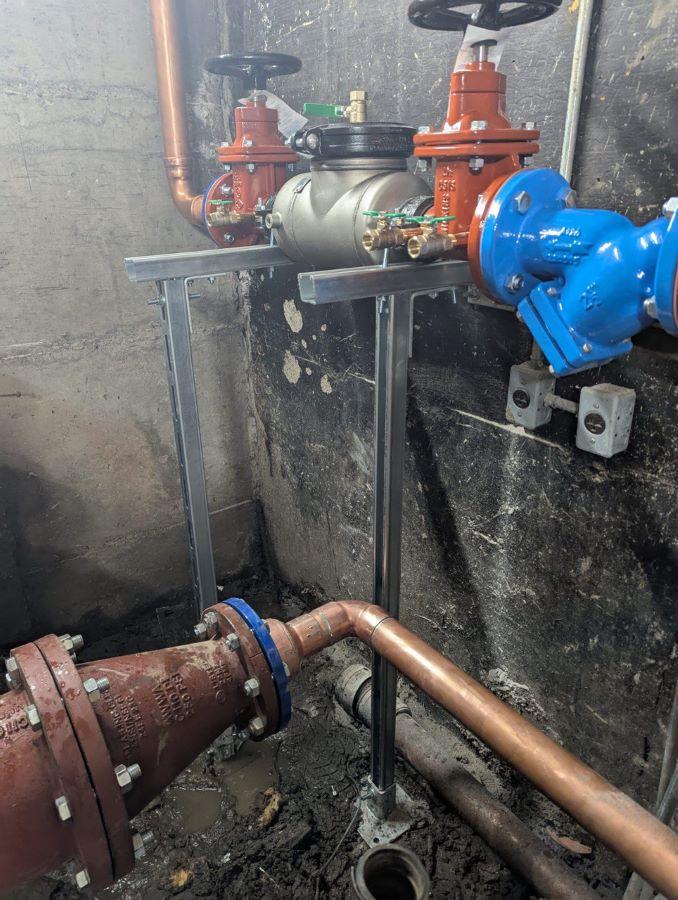
Whether you have a failing Double Check Valve Assembly (DCVA) or a Reduced Pressure Principle Assembly (RP), Backflow Inspector is your reliable solution for expert backflow preventer replacement in Toronto. Our team of skilled professionals is well-equipped to handle all your backflow prevention device installation needs at an affordable cost. We understand the critical importance of a properly functioning backflow preventer to protect your water supply from potential contamination. With our expertise and top-notch service, you can rest assured that your backflow prevention system will be installed efficiently and effectively, ensuring the safety and quality of your water. Don’t compromise on the security of your water supply; trust Backflow Inspector for a seamless and cost-effective replacement of your backflow preventer.
Shape

Learn How We Keep Your Water Safe

Blog

Everything you need to know about backflow preventers, testing, and reporting in the GTA

Shape