Repair vs. replace
A parts repair is usually far less than a full assembly replacement.
Failed a test or have a non-compliant device? We repair or replace it, retest, and re-file with the City — restoring compliance without unnecessary delays.
If your annual backflow test results in a failed preventer, corrective action is required before your property can return to compliance. Depending on the device’s condition, this means repairing worn components or replacing the assembly entirely — then retesting and re-filing the results.
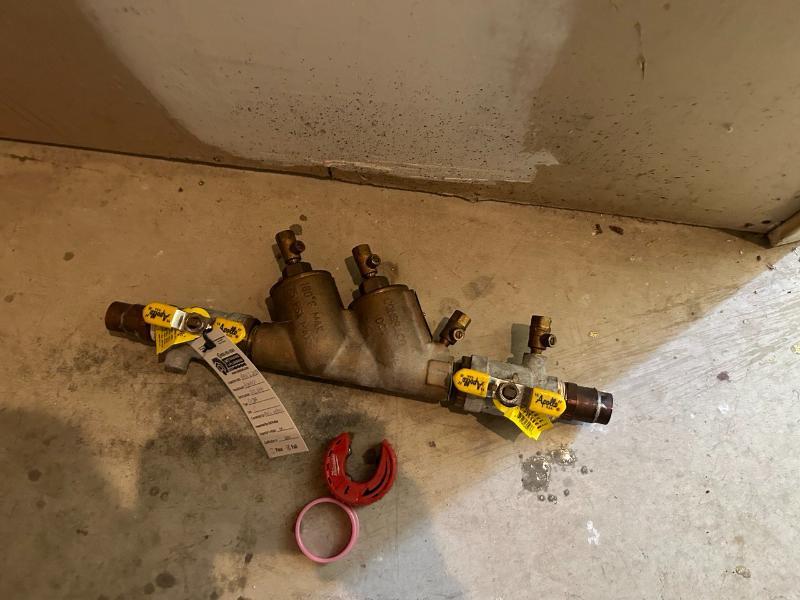
Whether you have a failing DCVA or RP assembly, our team restores your system efficiently and affordably. We diagnose the issue, complete the repair or replacement, and close the compliance loop.
We assess the cause of failure before recommending repair or replacement.
Worn components repaired, or the full assembly replaced when required.
We restore compliance without unnecessary upsells or delays.
The corrected device is retested and results re-submitted to the City.
We identify why the device failed and what’s needed to fix it.
We repair worn components or replace the assembly as required.
The corrected device is tested to confirm it now passes.
We submit the updated results so your property is compliant again.
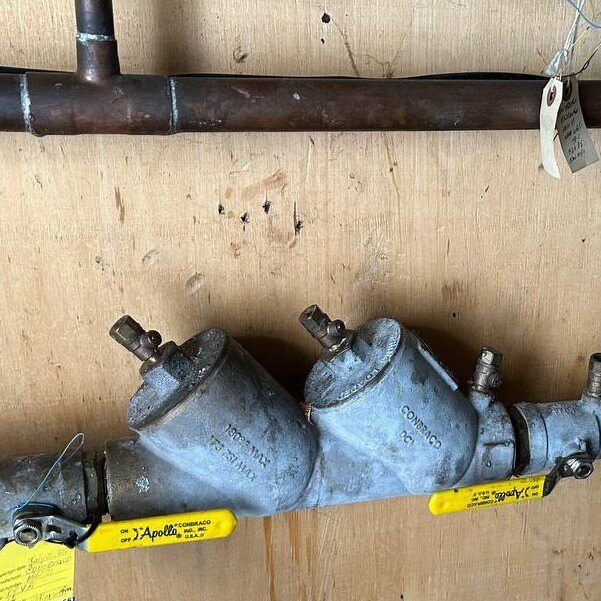
When a device is flagged, we diagnose whether it needs repair or full replacement, complete the work, and retest — closing out the compliance record for you.
Whether a device can be repaired or must be replaced depends on its condition and whether it still meets code.
| Situation | Typical action | Outcome |
|---|---|---|
| Worn seals or valves | Repair internal components | Restored to passing condition |
| Device fails performance or code | Full assembly replacement | Compliant, code-approved device |
| Outdated / damaged assembly | Replace with RPZ or DCVA | Modern, compliant protection |
When a backflow preventer fails its annual test, the fix depends on the device’s condition. Minor wear can often be repaired; a device that no longer meets code or is beyond economical repair needs replacement. We diagnose the cause first and recommend the most cost-effective path back to compliance.
After a failed test, we diagnose exactly why the device failed — often a worn internal component rather than the whole assembly. If it can be repaired, we replace the affected parts and retest on the spot. If it must be replaced, we install a compliant assembly sized for your property. Either way, the corrected device is retested to confirm it passes, re-tagged, and the updated results are re-filed with the City — closing out your compliance record without a second appointment wherever possible.
Whether a device is repaired or replaced — and what it costs — depends on its condition and type. We diagnose first and quote the work before proceeding, so you can decide with full information.
A parts repair is usually far less than a full assembly replacement.
Larger RP assemblies cost more to rebuild or replace than a small DCVA.
Older or discontinued devices may need full replacement if parts are unavailable.
The corrected device is retested and re-submitted, included in your quote.
Failed your test? Contact us for a clear diagnosis and a quote before any work begins.
Certified testing, digital reporting, and full compliance with Toronto’s Backflow Prevention Program — handled end-to-end for your property.
Backflow TestingCompliant installation of RPZ and double check valve assemblies by OWWA-certified plumbers — sized and installed correctly for your property the first time.
InstallationA systematic survey of your plumbing system to find and eliminate cross-connections — the points where contaminated water could enter your clean supply.
Cross-Connection SurveysBook service or request a quote — we serve commercial and industrial properties across the GTA.