
Ten things to have ready before the backflow tester arrives, from the device list and keys to the tenant notice and next-year reminder, plus why testing every device in one visit costs less.
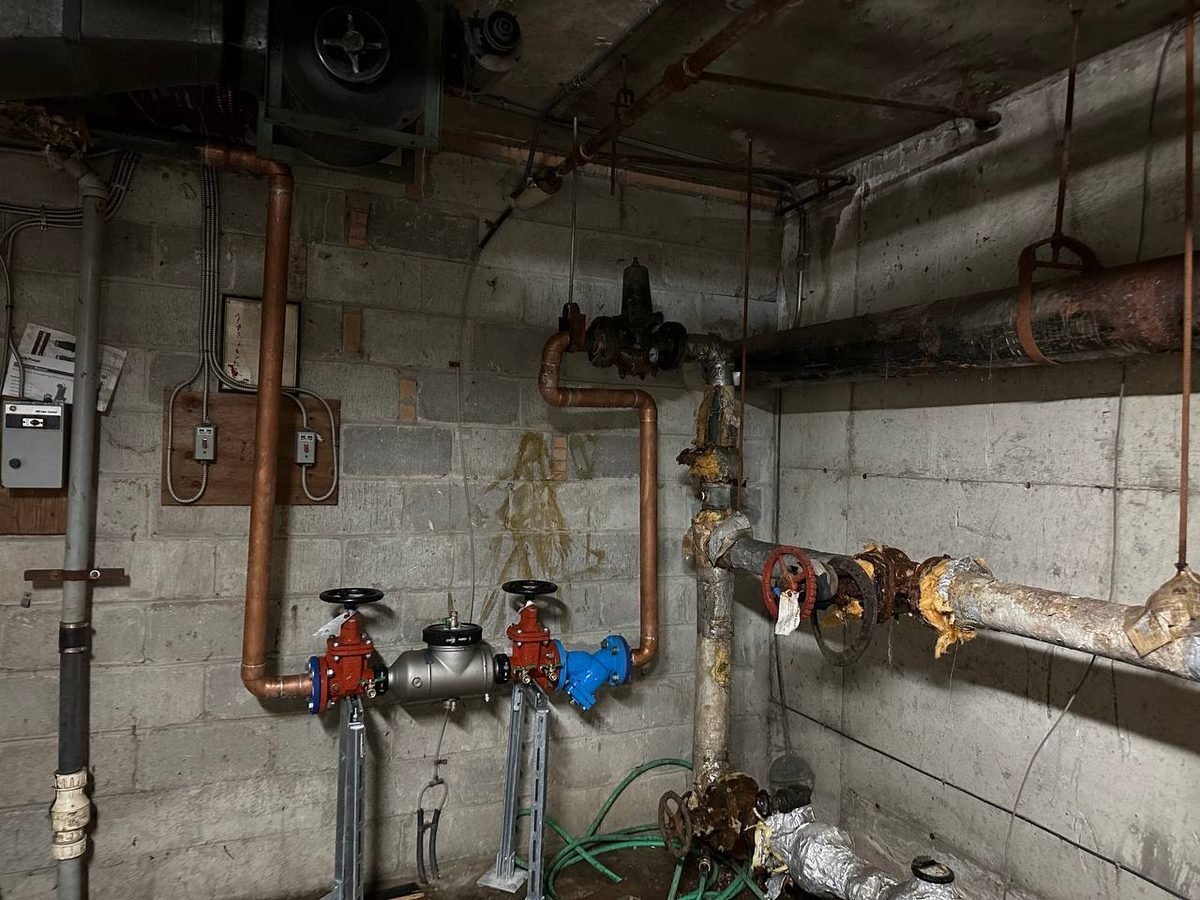
The tester is booked for Thursday morning. If the mechanical room is locked, the superintendent is off-site and nobody warned the dental clinic on the second floor about a water interruption, that one visit becomes two visits and two invoices. Ten minutes of preparation prevents all of it.
Quick answer
- List every backflow preventer and its location before the tester arrives; each device is tested and reported separately.
- Arrange keys, access codes and a cleared path to every mechanical room, irrigation box and fire sprinkler riser.
- Give tenants written notice of a brief water interruption on the line being tested.
- Have previous reports and any City notice letters on hand so serial numbers and file references match.
- Decide who signs off, where the report copy goes and who books next year before the tester leaves.
Why does preparation matter for a backflow test?
Because the test itself is the short part of the visit. Waiting for keys, moving stored material and chasing a tenant for access are what turn a one-visit job into two, and a return visit is billed like any other.
A return visit also costs you compliance time. In Toronto, the Water Supply By-law counts from the last passing report, so a device the tester could not reach is a device that stays overdue.
What are the 10 things to prepare before the tester arrives?
Work through this list in the week before the visit. Most items take a phone call or an email, and together they let the tester move from device to device without stopping.
- Device list and locations. Write down every device: main premise isolation, boiler make-up, irrigation, fire line, tenant equipment. Our guide to finding your backflow preventer shows where to look.
- Access and keys. Confirm who holds keys or codes for each room, and that the person is on site or has left them with you.
- Tenant notice. Send a short notice that water to the affected line will be shut off briefly on the test date. Restaurants, clinics and labs appreciate a specific window.
- Previous reports. Pull last year’s reports so the tester can match serial numbers and spot a device that has been moved or replaced.
- Notice letters. If the visit is prompted by a City compliance notice, have it ready; the file reference goes on the report.
- Parking and loading. Reserve a spot near the service entrance. A tester carrying gauges and tools across a full lot is lost time you pay for.
- Mechanical room clearance. Move stored material away from the assembly so the test cocks and shut-off valves can be reached.
- Who signs off. Name the person who will confirm the work on site and authorize a repair if a device fails.
- Where the report goes. Give the tester the email addresses for the owner, the manager and any tenant who pays, so the digital report lands in the right inboxes.
- Next-year reminder. Put the next due date in your calendar before the tester drives away: 12 months from the test date.
If a device fails: in Toronto a repaired or replaced device must be retested within 72 hours. Having the sign-off person reachable on test day means the repair can be approved and scheduled immediately instead of restarting the process next week. See repair and replacement.
Prefer a visit that runs itself? We confirm your device list with you before the visit, test every device in one trip and file each report — $350 for a single device, as low as $200 per device on multi-device properties. Get a fixed quote or call (647) 578-9903.
How does a multi-device backflow test visit work?
The tester works through the devices in a logical route, isolating one line at a time so the rest of the building keeps its water, and records each device on its own report. The main premise isolation device is usually tested first, followed by secondary devices on boilers, irrigation and fire lines.
Each device gets its own tag and its own filing with the municipality, because the by-law treats them individually. A property with six devices generates six reports, each with its own 12-month clock.
Testing them all in one visit lines those clocks up, so next year there is one date to remember instead of six. Our annual testing service is built around that single-visit model.
Why does one visit lower the per-device price?
Because the travel, setup and administration happen once instead of several times. A single device is $350, which covers the calibrated test, the tag, the digital report and the filing; on multi-device sites the price slides down per device, as low as $200 on larger properties.
Splitting the same devices across several appointments means paying for that setup more than once, and it leaves devices on staggered dates that are easier to miss. The full breakdown is in our backflow testing cost guide.
What happens after the backflow test?
You receive the digital report for every device, each one is tagged on site and the reports are filed with the municipality. Keep them in one folder; a City notice is answered by forwarding the report.
Backflow Inspector, a service of MT Drains & Plumbing, keeps your device register on file and sends a reminder before the next due date. Managers with buildings in several municipalities can check where each report goes in our by-town regulations guide.
Quick answers
Ready for a visit that runs itself?
We confirm your device list in advance, test every device in one trip and file each report — $350 for a single device, as low as $200 on multi-device properties.